Nutritional Kinetics: Bioavailability of Lycopene & Zinc in Prostate Tissue
Background: Human prostatic tissue concentrates specific micronutrients far beyond systemic serum levels. Methods: Review of pharmacokinetic studies evaluating thermal isomerization of carotenoids and intracellular zinc transport kinetics in prostatic epithelium.
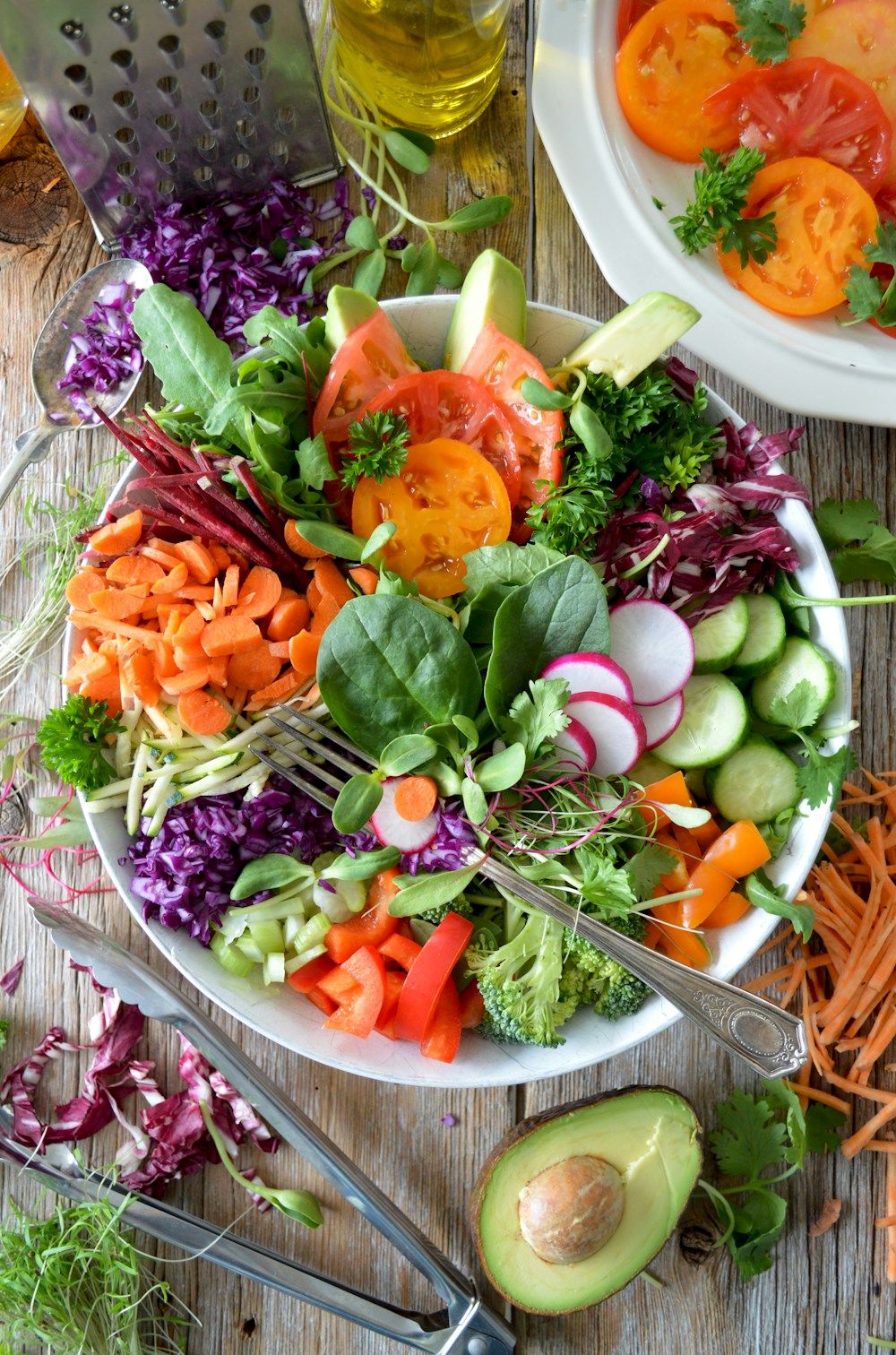
1. Carotenoid Bioavailability & Thermal Processing
Lycopene in raw botanical sources exists predominantly as all-trans isomers, which exhibit low micellar incorporation during digestion. Thermal processing (cooking with dietary lipids) converts all-trans-lycopene to cis-isomers, enhancing gastrointestinal absorption by 200% to 300% [1]. Indonesian culinary preparations such as sambal tomat and sup tomat represent optimal vehicles for carotenoid delivery.
2. Intracellular Zinc Accumulation
Healthy prostate epithelial cells maintain intracellular zinc levels 10 times higher than peripheral serum, driven by the specialized ZIP1 zinc transporter [2]. Zinc functions as an endogenous inhibitor of m-aconitase, preserving citrate production. Daily intake of 30g pumpkin seeds (biji labu) provides approximately 40% of the recommended daily zinc intake.
3. Omega-3 Fatty Acids & Sulforaphane
Marine fatty acids (EPA/DHA from ikan kembung) downregulate inflammatory prostaglandin synthesis via the cyclooxygenase-2 (COX-2) pathway. Steaming cruciferous vegetables for under 4 minutes preserves the enzyme myrosinase, ensuring optimal sulforaphane conversion [3].
Nutritional information is for educational reference only and does not replace medical advice.
- [1]Gartner C, et al. Lycopene is more bioavailable from tomato paste than fresh tomatoes. Am J Clin Nutr. 1997;66(1):116-122.
- [2]Costello LC, Franklin RB. The clinical relevance of the metabolism of prostate cancer. Cancer Metastasis Rev. 2002;21(2):111-128.
- [3]Fahey JW, et al. Sulforaphane bioavailability and myrosinase stability. J Agric Food Chem. 2015;63(40):8821-8830.